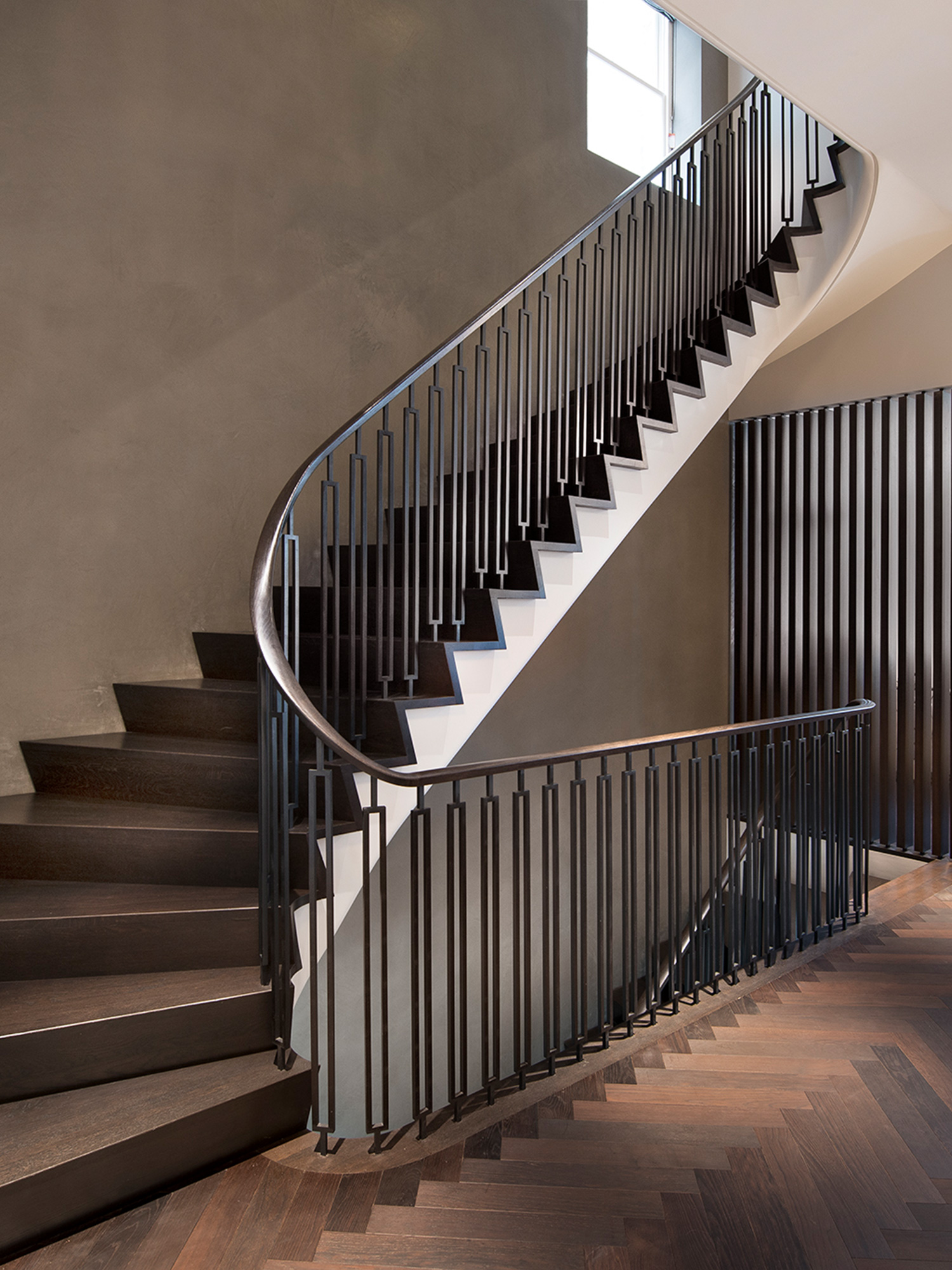
Why choose Element7
Read about why clients choose Element7 – from our story, charting our growth into the globally renowned business that we are today; appreciate the individual characteristics which make our floors truly unique; understand how we source and produce our floors and discover the details of our meticulous installation service.
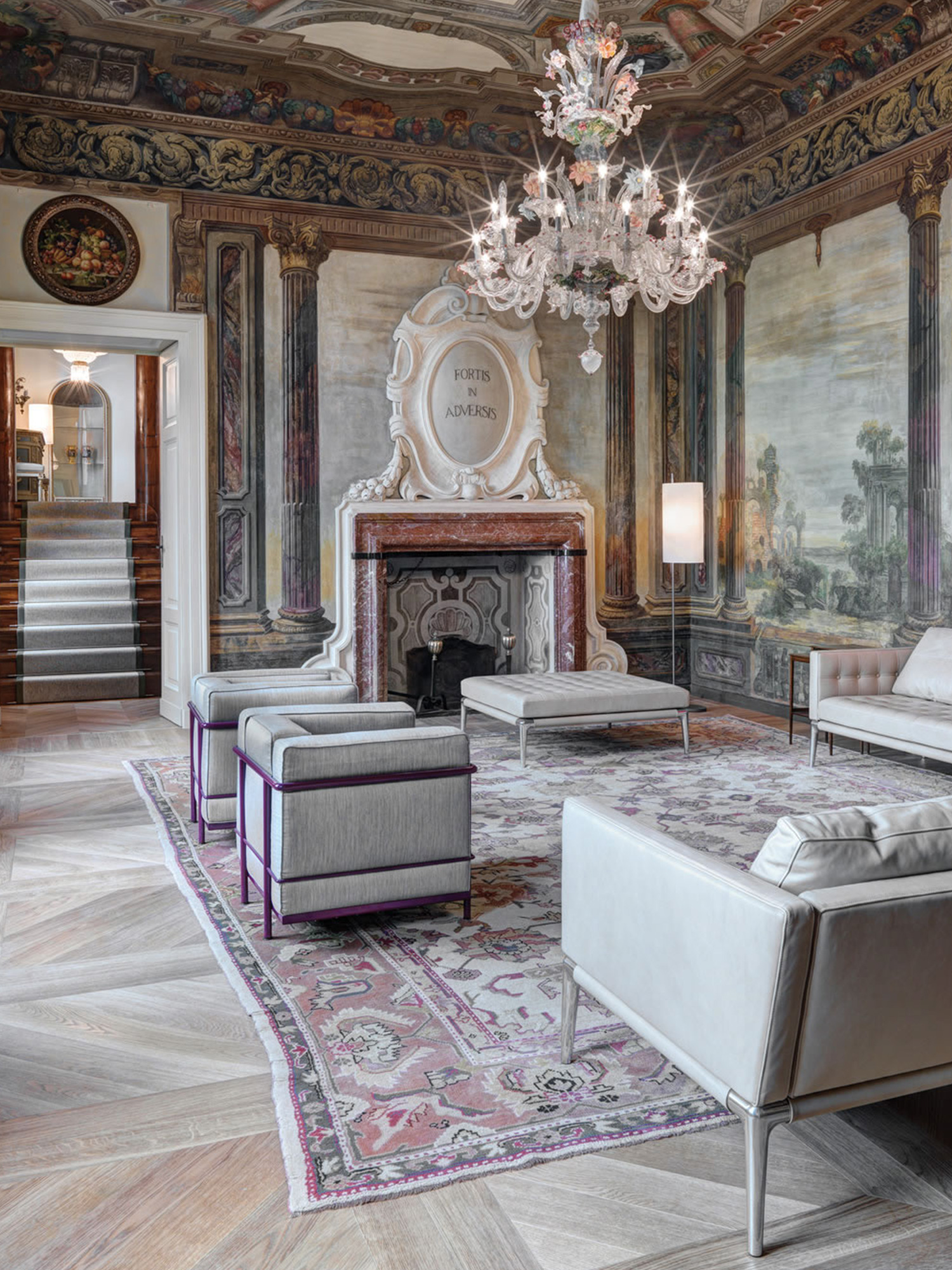
Creating The Industry Benchmark
From our early beginnings as an up-and-coming company with an industry-first product more than two decades ago, we have grown into an award-wining, globally renowned name; the market’s foremost authority on exceptional floors.
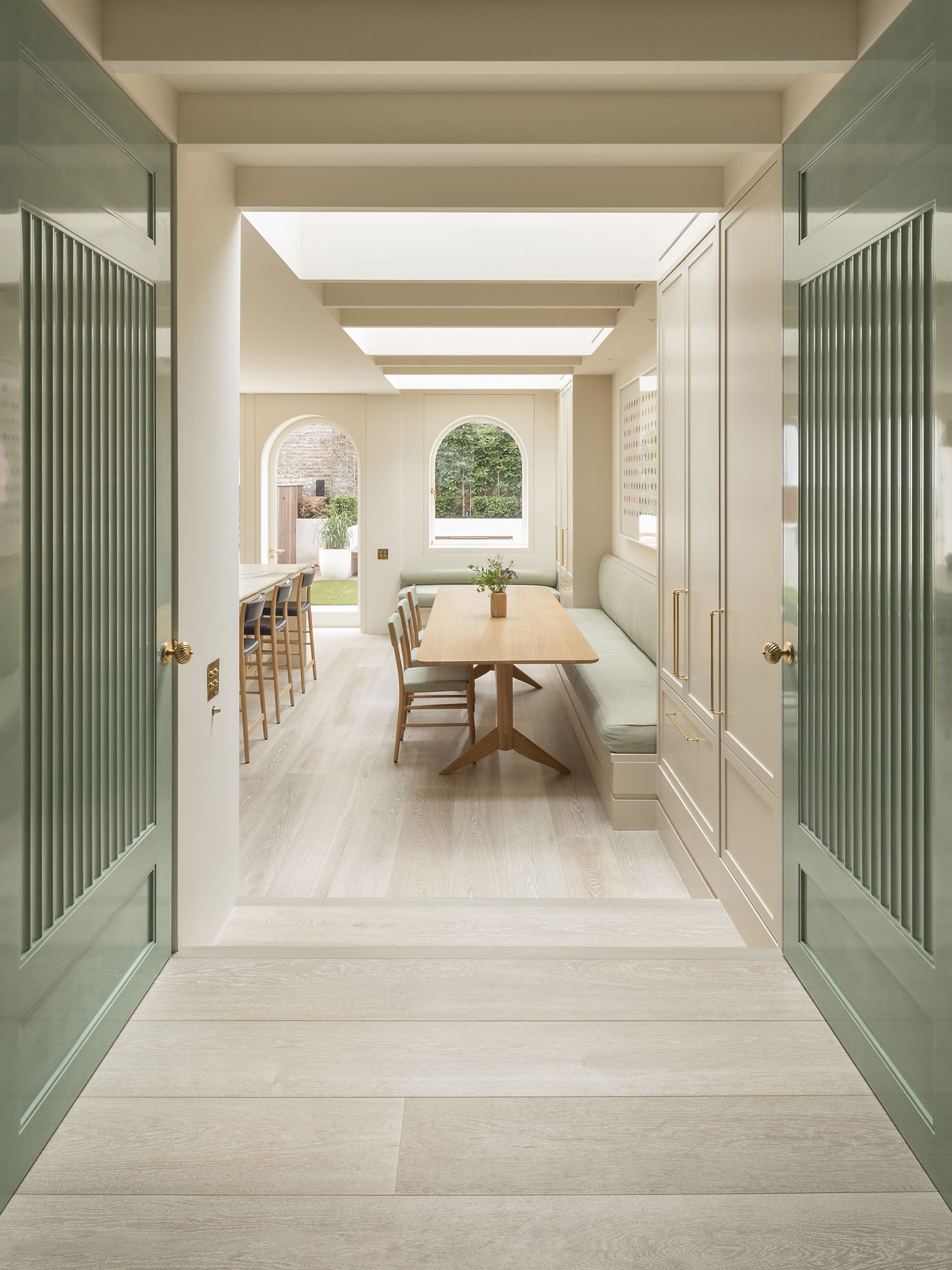
Exceptionally Engineered
Combining unrivalled structural integrity with the technical supremacy of our finishes; understand why an Element7 floor is a truly unique luxury world-class floor that will last a lifetime, without refinishing.
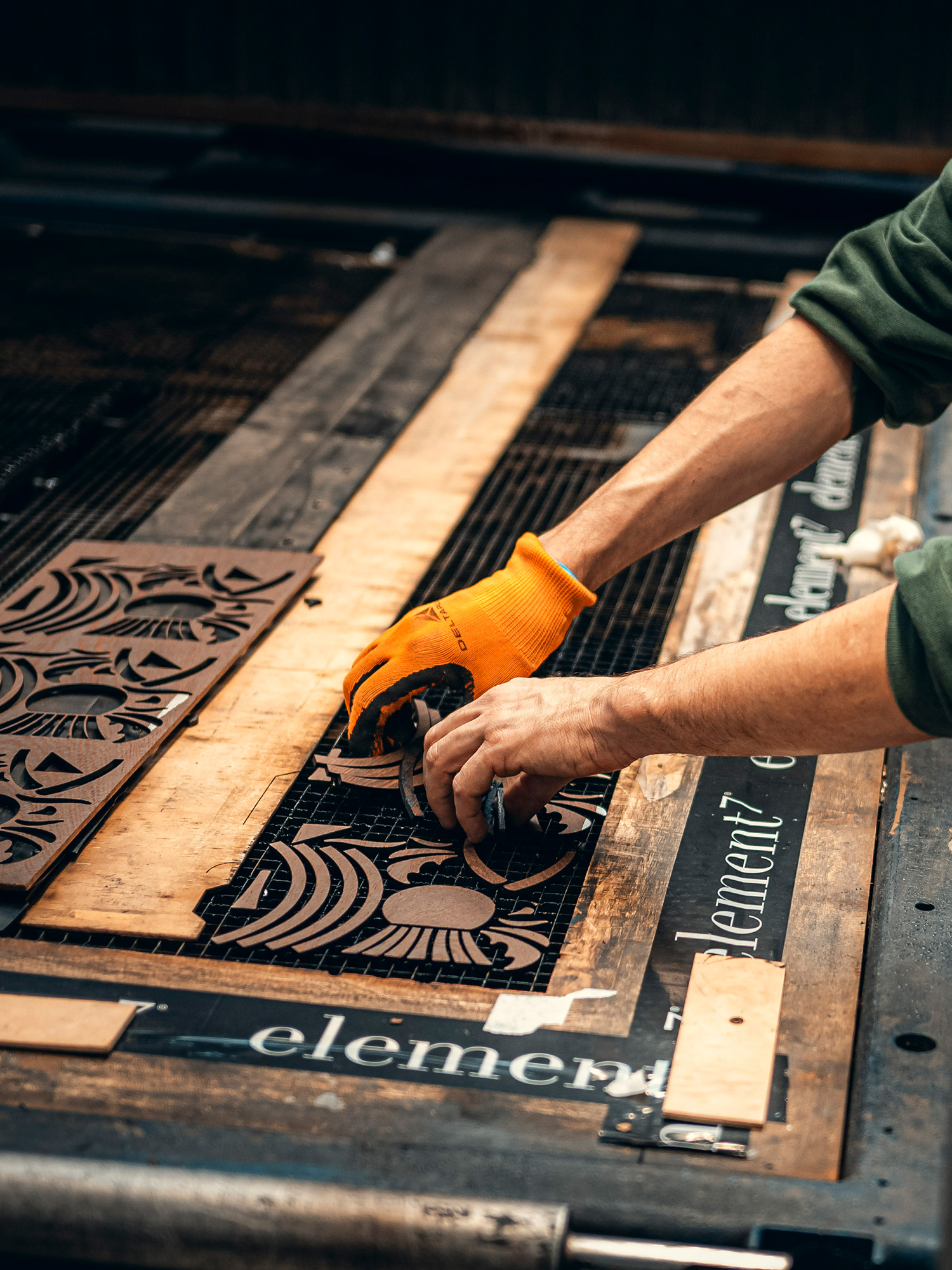
Natural materials, responsibly sourced
From sourcing and manufacture to engineering, finishing and beyond; every stage of our process is carried out with the environment in mind and produced to our own meticulous specifications.
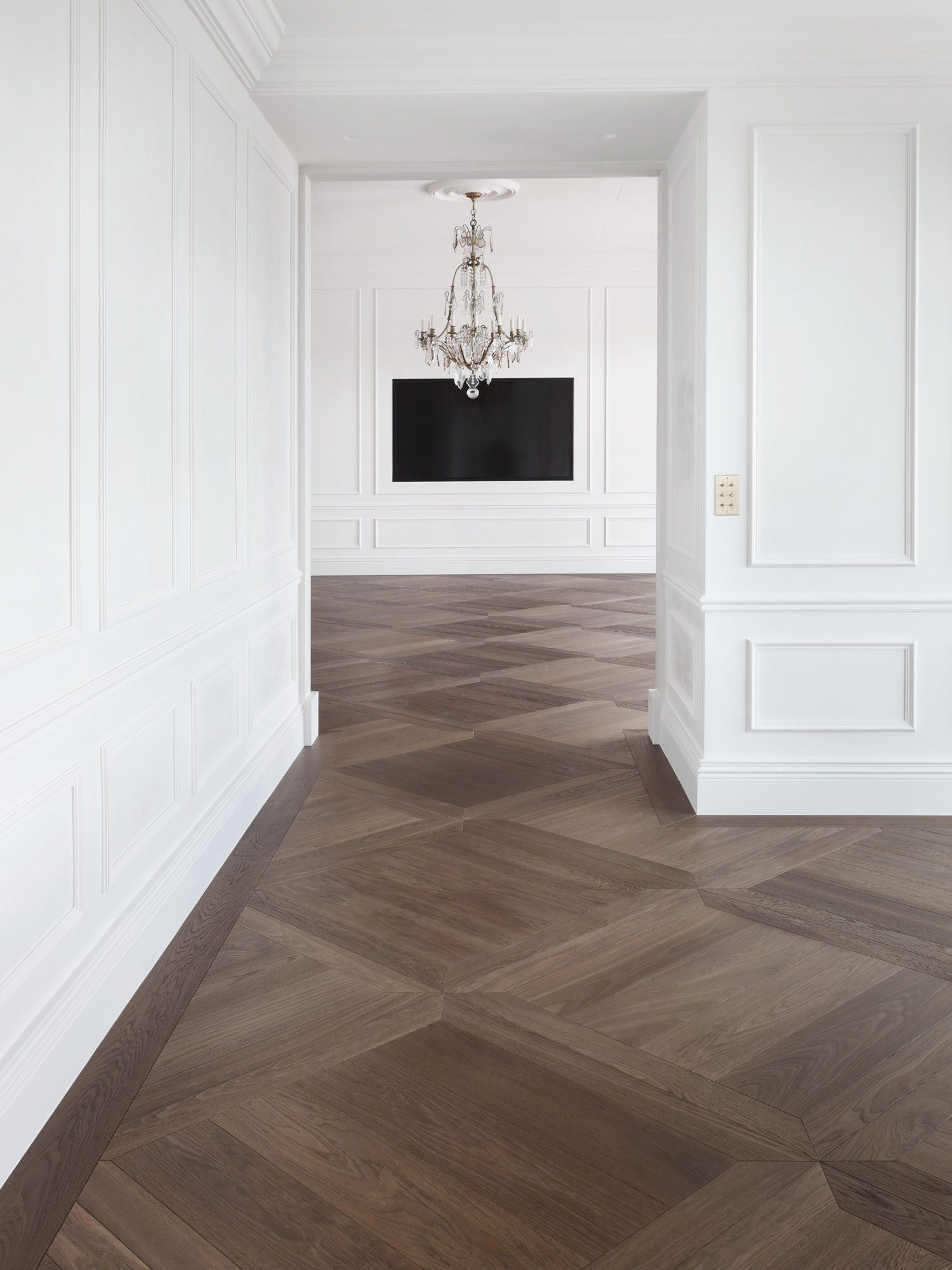
Element7 installation service
We treat every installation as bespoke – carefully selecting and inspecting each board to ensure the most harmonious aesthetic effect. Nothing is rushed, whilst everything is considered; resulting in an exquisite floor fitted with the utmost finesse.
Element7 floors are not only beautiful, but also feel fantastic underfoot. Their products are something I return to time and time again when speaking of engineered hardwood flooring with clients. Their products exude true quality.
Studio C New York
Interiors & Design Practice
Ocean Home Top 50 Coastal Interior Designer
Commitment to
Professional Excellence
Element7 CPD Accreditation
Element7 is proud to be CPD (Continuing Professional Development) accredited by the Society of British and International Interior Design (SBID) — a globally recognised hallmark of professional quality and design leadership.
This accreditation demonstrates Element7’s commitment to education, innovation, and collaboration within the architecture and interior design community. Through our certified From Forest to Floor CPD, we share insights into the craftsmanship, sustainability, and engineering behind our world-class wood flooring collections.
SBID Certified Design Education in Engineered Wood Flooring. Empowering the Global Design Community
As an SBID-approved CPD provider, Element7 offers a series of accredited learning sessions designed to:
- Advance understanding of engineered wood flooring technology and performance.
- Promote sustainable and responsible material sourcing.
- Explore surface design, colour, and finish trends across the Artisan and Bespoke Collections.
- Help design professionals specify premium wood flooring solutions with confidence and technical clarity.
Each CPD session delivers valuable, actionable knowledge — recognised not just in the UK, but internationally across the design and architecture sectors.