Leather Floors
Bespoke Full-grain leather floors
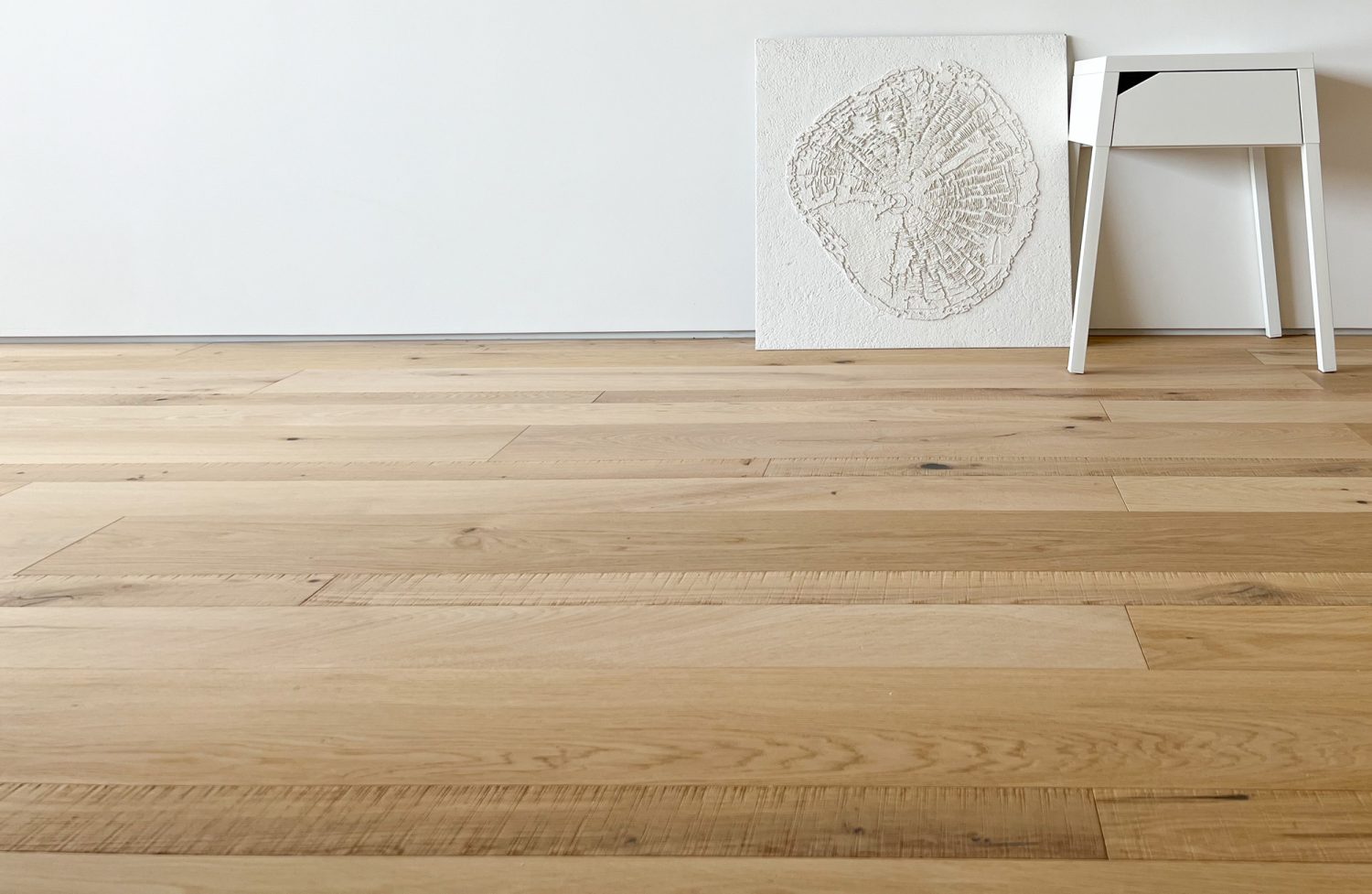
Offering a tactile alternative to wood, our sumptuous, stylish, and 100% natural leather floors make a real statement. Crafted from top-quality, full-grain hides, our matchless leather floors are as durable as they are elegant guaranteed to stay in vogue. They also boast the unique quality of getting better with age, developing a distinctive, saddle-worn patina over time due to their constantly changing character.
Full-grain leather hides
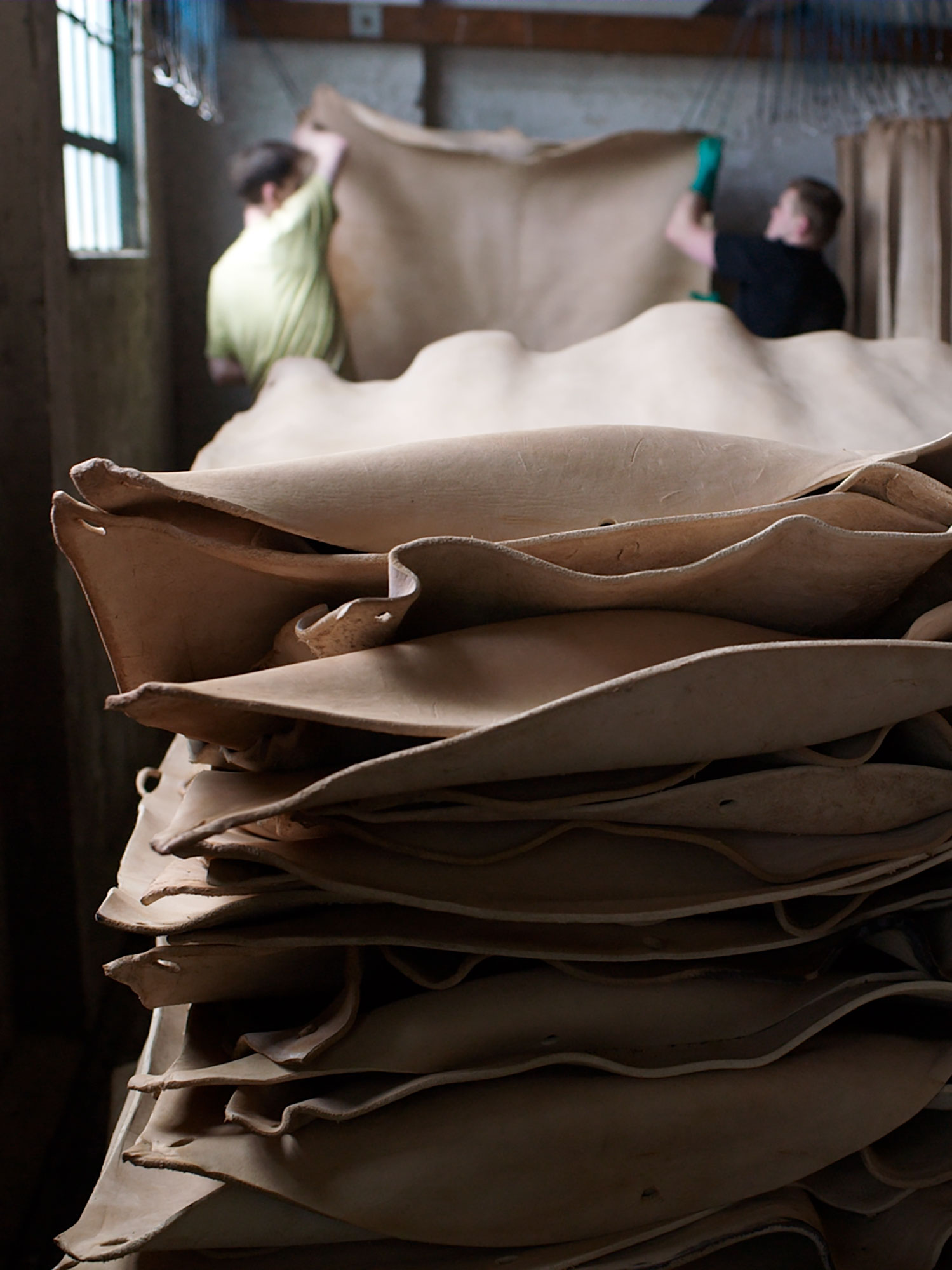
An Appreciation of Leather
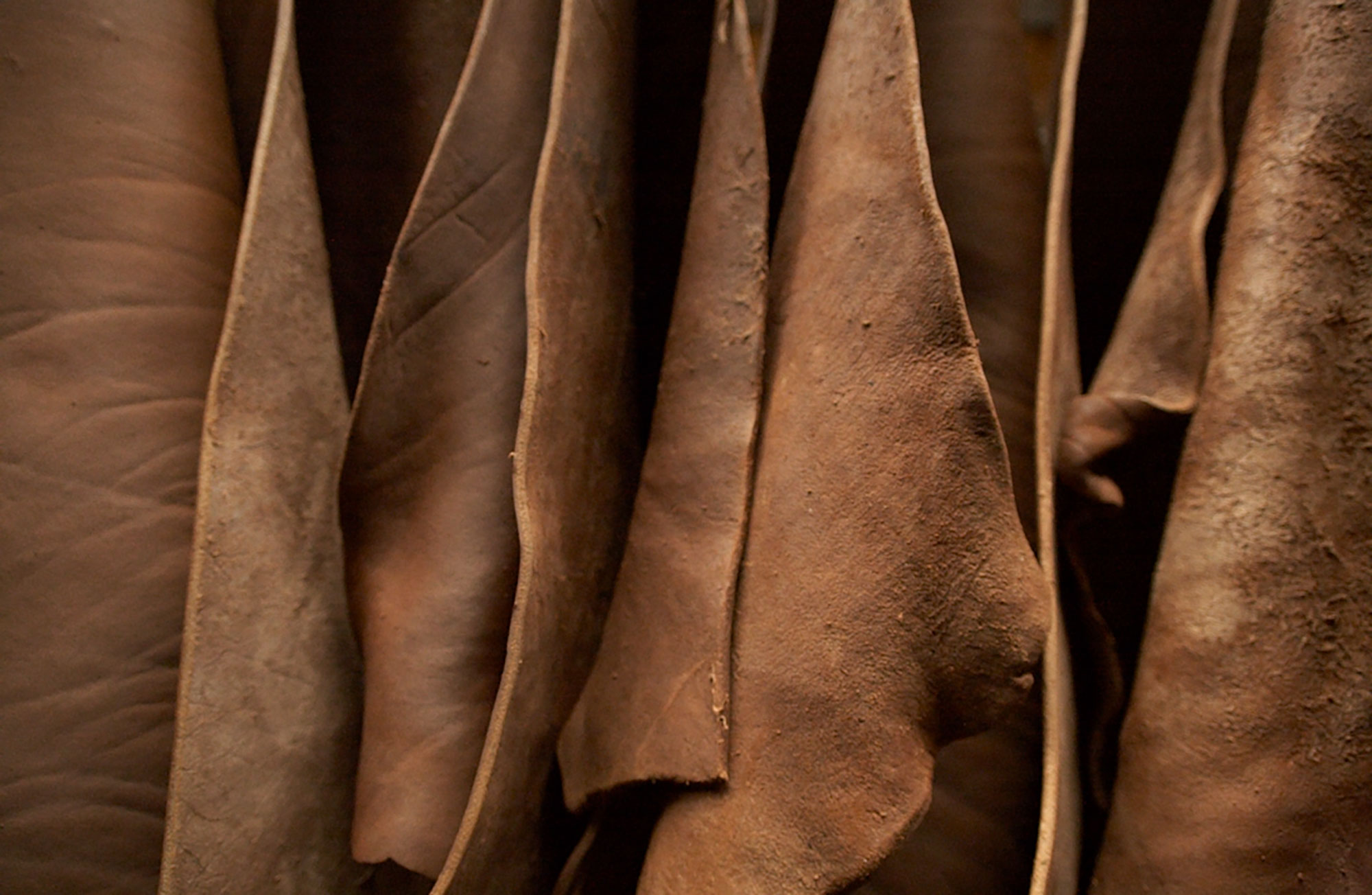
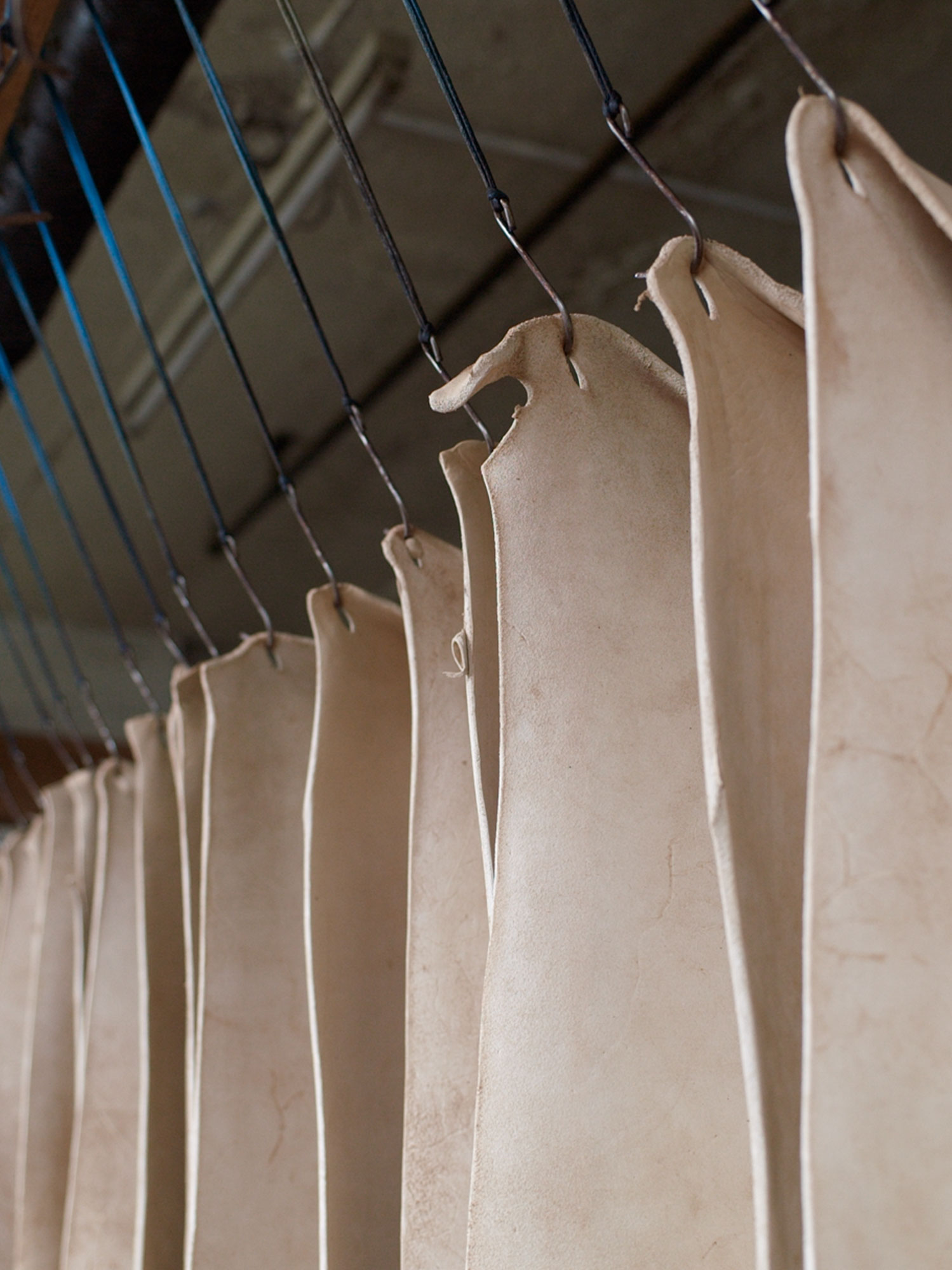
We take pride in sourcing the very best hides for our leather flooring. We only use pure, untouched, full-grain leather in the making of our floors – none of our hides have ever been processed in machines. Unlike cheaper or treated skins, uncorrected leather is much more resilient, making for a stronger floor. It also has a far more luxurious look and feel, thanks to its natural grain pattern.
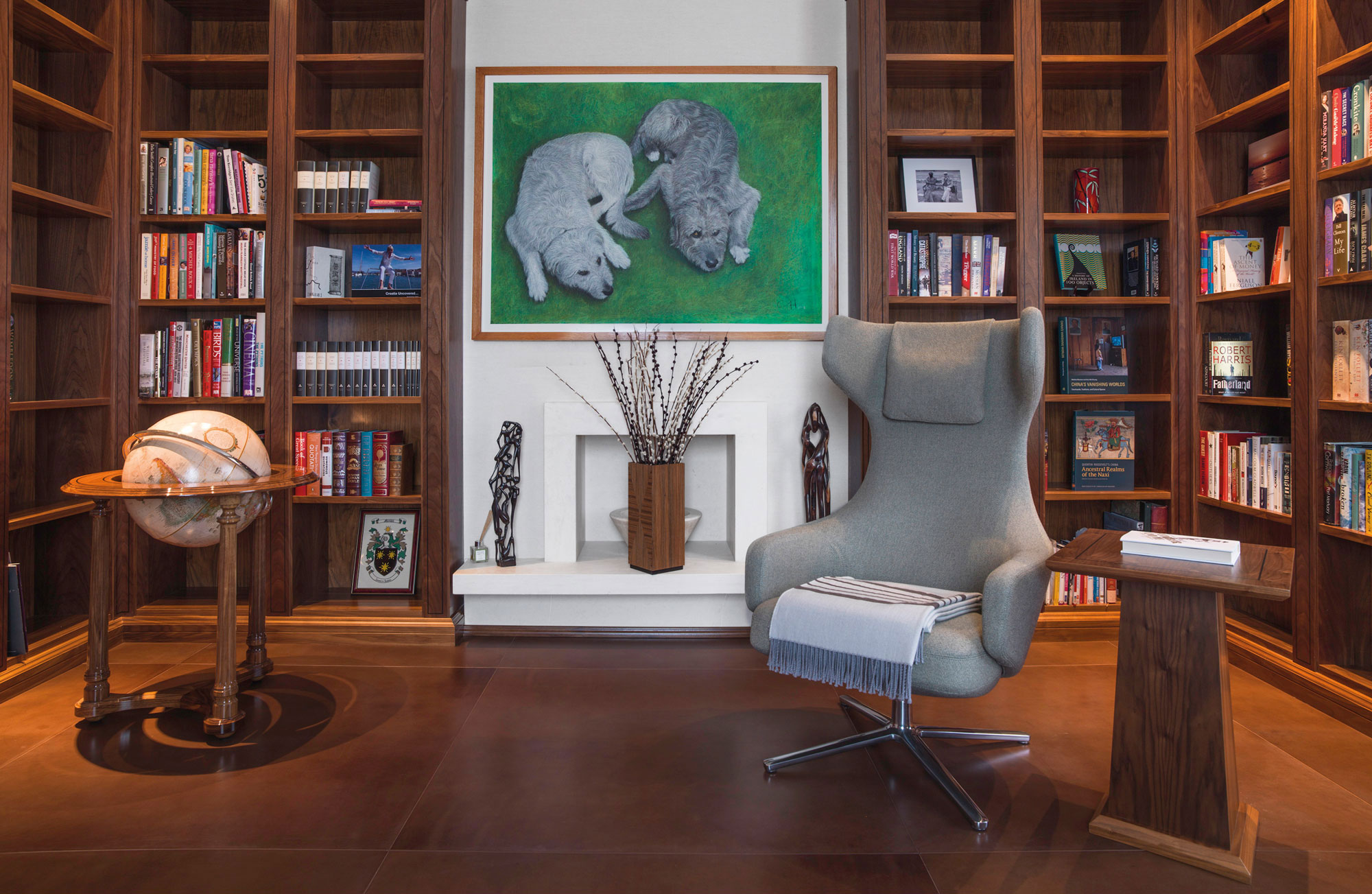
Antique Tan Leather Floor
Why choose an Element7 Leather Floor?
Whilst leather flooring is becoming increasingly popular in ultra-prime residences and high-end boutiques, we were the first company to introduce uncorrected, full-grain leather floors to the UK market. Understanding that untouched hides are the supreme choice for beautiful floors, our craftspeople know how to engineer leather to guarantee the same exceptional, long-lasting quality we pride ourselves on in our hardwood range.
A Market First
Whilst leather flooring is becoming increasingly popular in ultra-prime residences and high-end boutiques, we were the first company to introduce uncorrected, full-grain leather floors to the UK market.
A Real Character
As durable as they are elegant, an Element7 engineered leather floor will set off any interior with aplomb. They also boast the unique quality of getting better with age, developing a distinctive, saddle-worn patina over time due to their constantly changing character.
The Finest Materials
Understanding that untouched hides are the supreme choice for beautiful floors, our craftspeople know how to engineer leather to guarantee the same exceptional, long-lasting quality we pride ourselves on in our hardwood range. What’s more, Element7 leather is treated with a series of traditional, long-established processes, resulting in a beautiful floor, every time.
An Appreciation of Leather
We take pride in sourcing the very best hides for our leather flooring. We only use pure, untouched, full-grain leather in the making of our floors – none of our hides have ever been processed in machines. Unlike cheaper or treated skins, uncorrected leather is much more resilient, making for a stronger floor. It also has a far more luxurious look and feel, thanks to its natural grain pattern.
The Ultimate English Leather Floor
When it comes to the quality of the hides used in our leather floors, providence matters. Within the leather trade, it is well-known that the finest full-grain hides – known as ‘Number 1s’ – are found in England. Only Number 1 hides are used in the production of an Element7 leather floor. Even then, we are discerning, selecting only the strongest oxhides using the middle-back-butt sections of hide.
Tanning
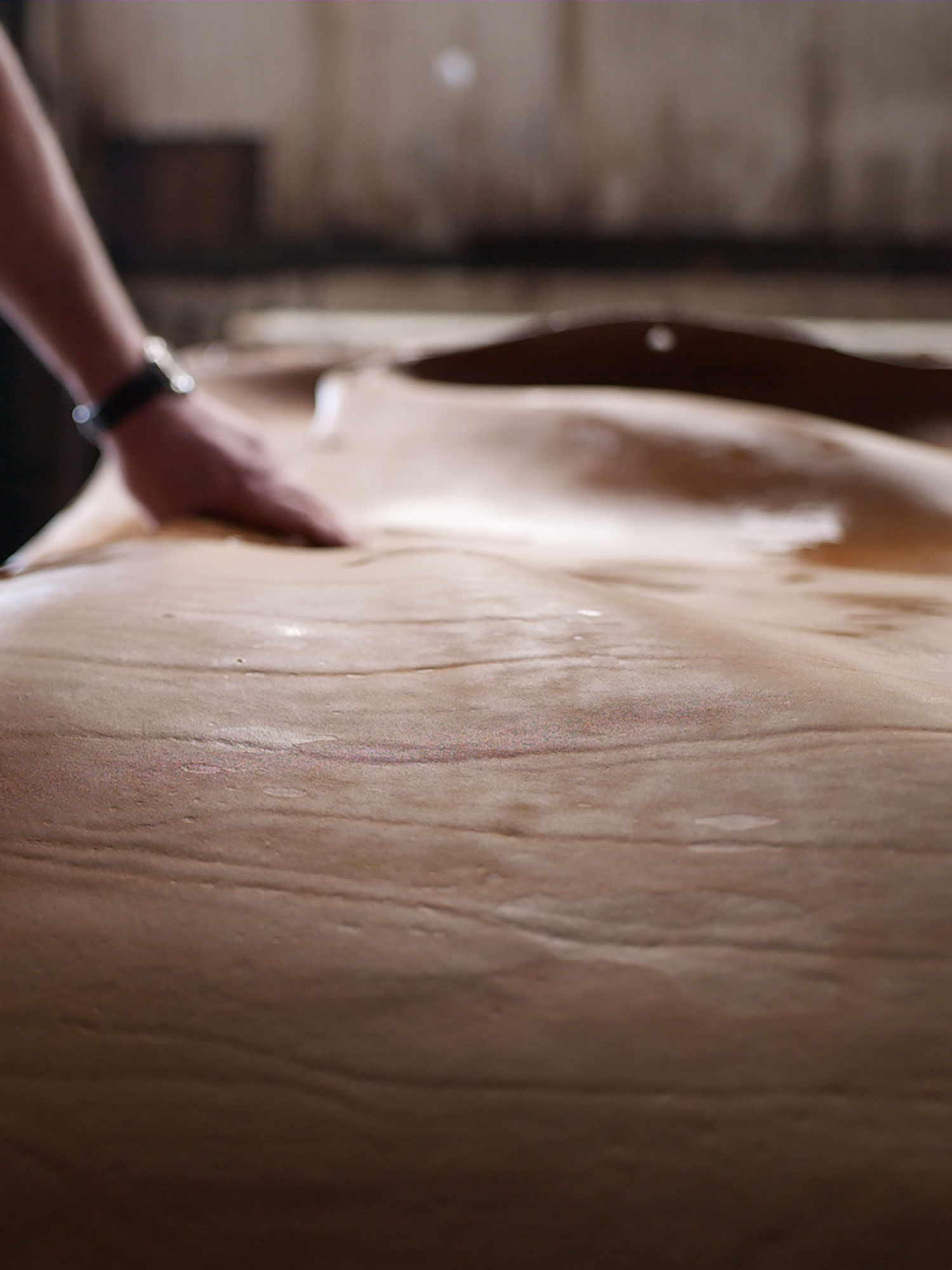
All our hides are tanned by the last traditional tanner still practicing in the UK. The hides undergo the time-honoured process of pit vegetable tanning. Whilst this natural treatment takes time, it produces leather of an outstanding quality and strength.
Dyeing
The next stage of the process is to dye the hides with aniline, which ensures the colour penetrates right through the hide. Another time-intensive custom, it ensures skins of the finest quality and finish. This treatment also enhances the natural beauty of the leather, allowing it to develop a patina as it matures.
The Finishing Touch
Lastly, the hides are fully bonded to wood backing boards using the same exceptional engineering as that applied to our hardwood floors. This creates a supremely stable, beautifully finished leather floor that will remain flat. It will also perform over radiant underfloor heating.
Element7 Leather colours

Natural Hide (Leather)
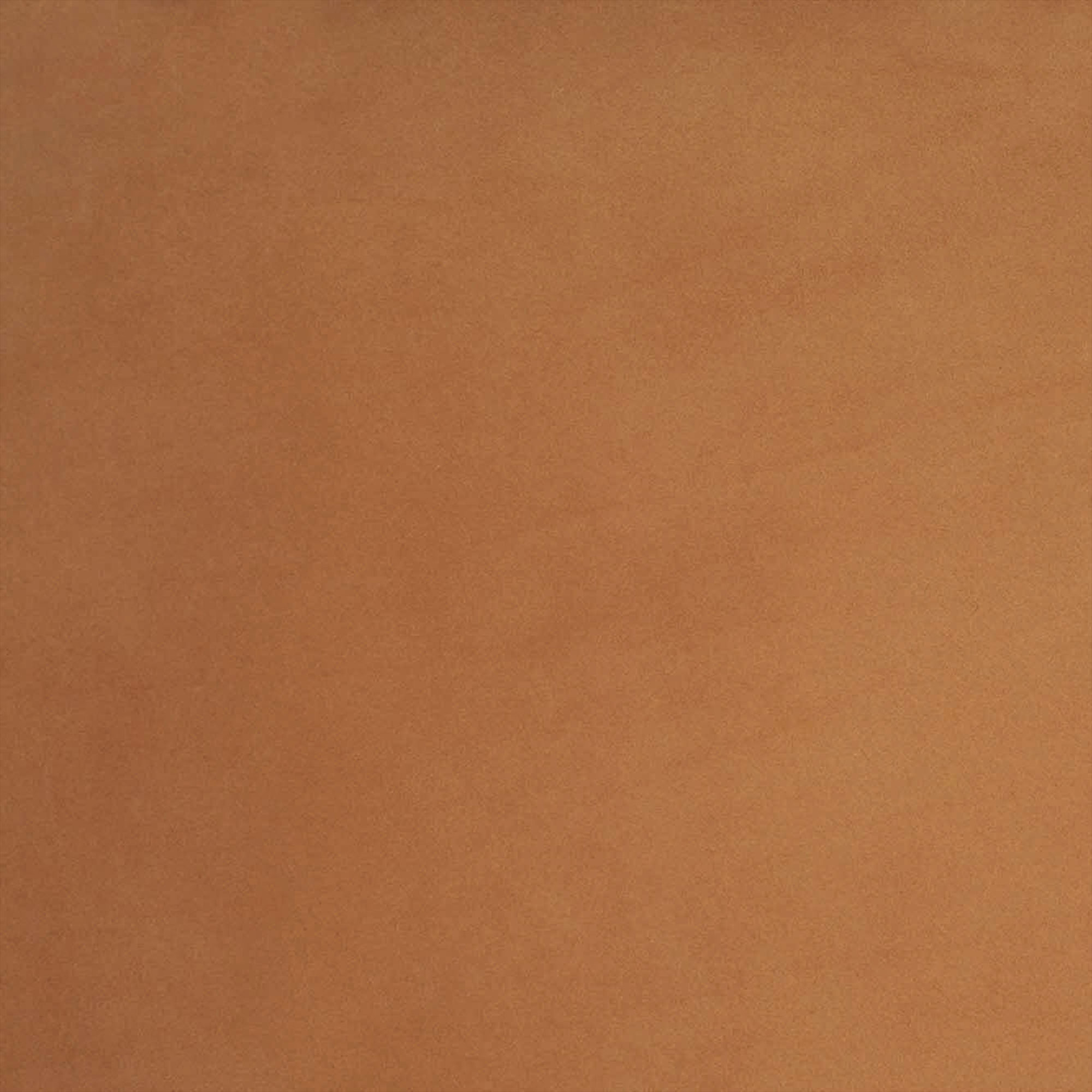
Connolly Tan (Leather)
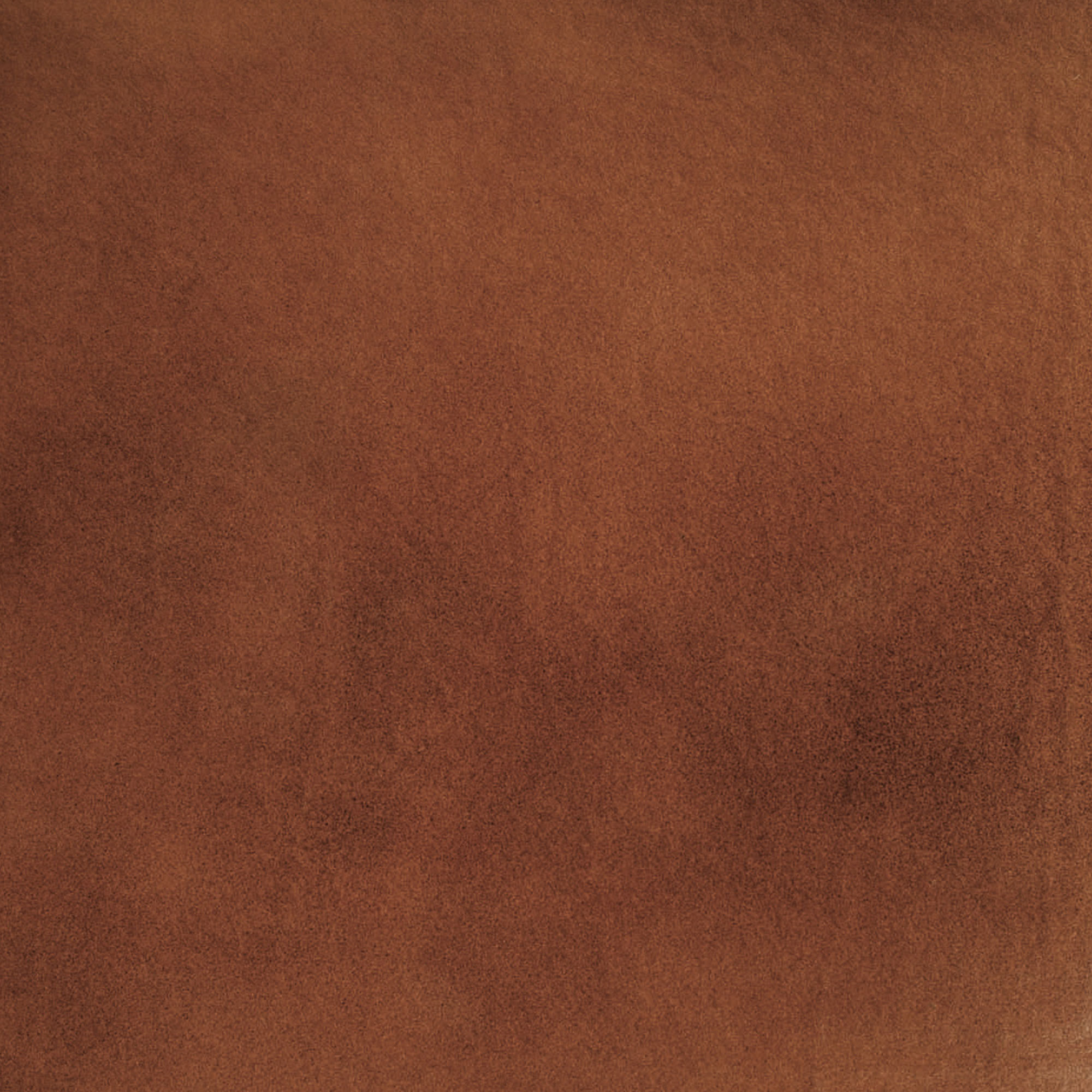
Antique Tan (Leather)
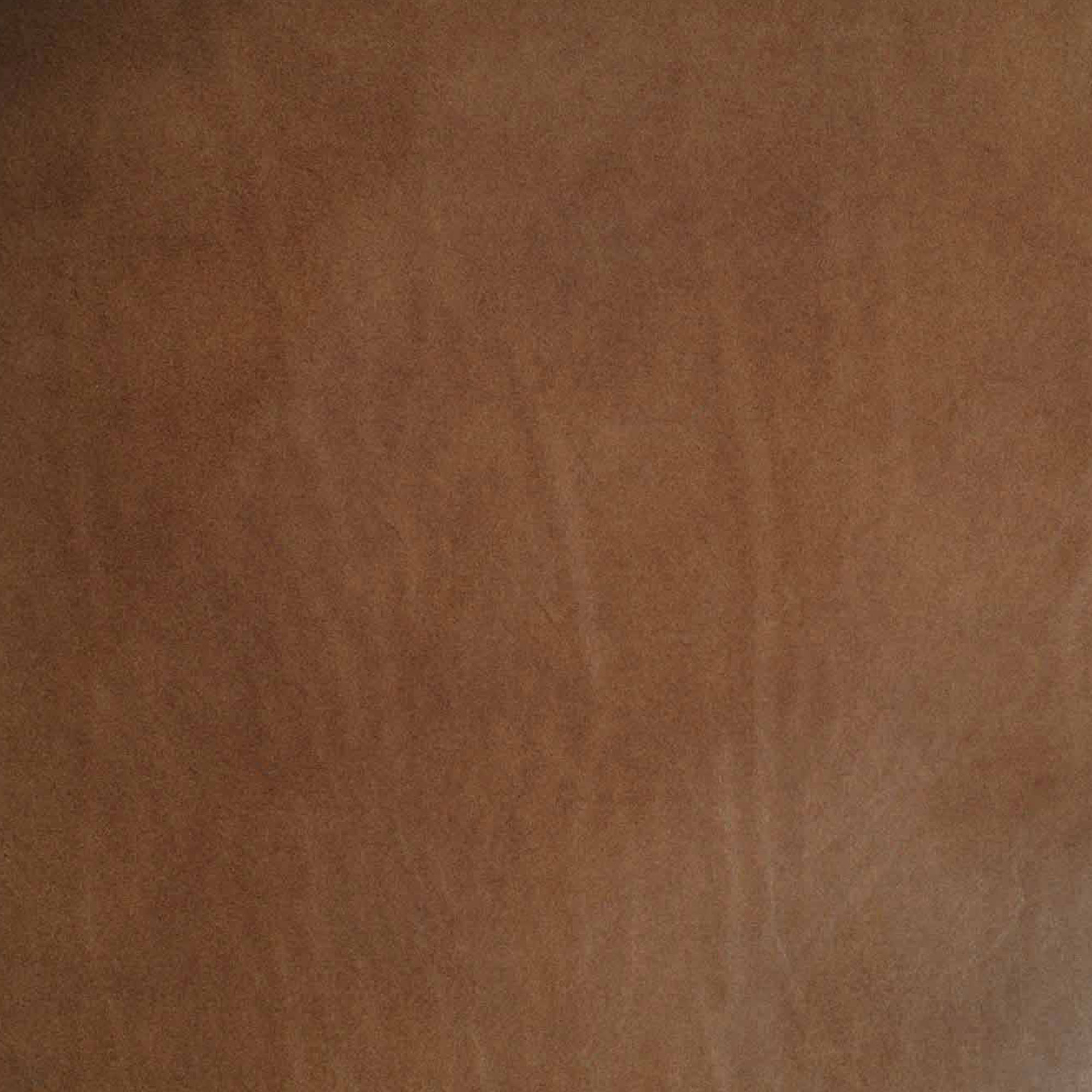
Equestrian Brown (Leather)
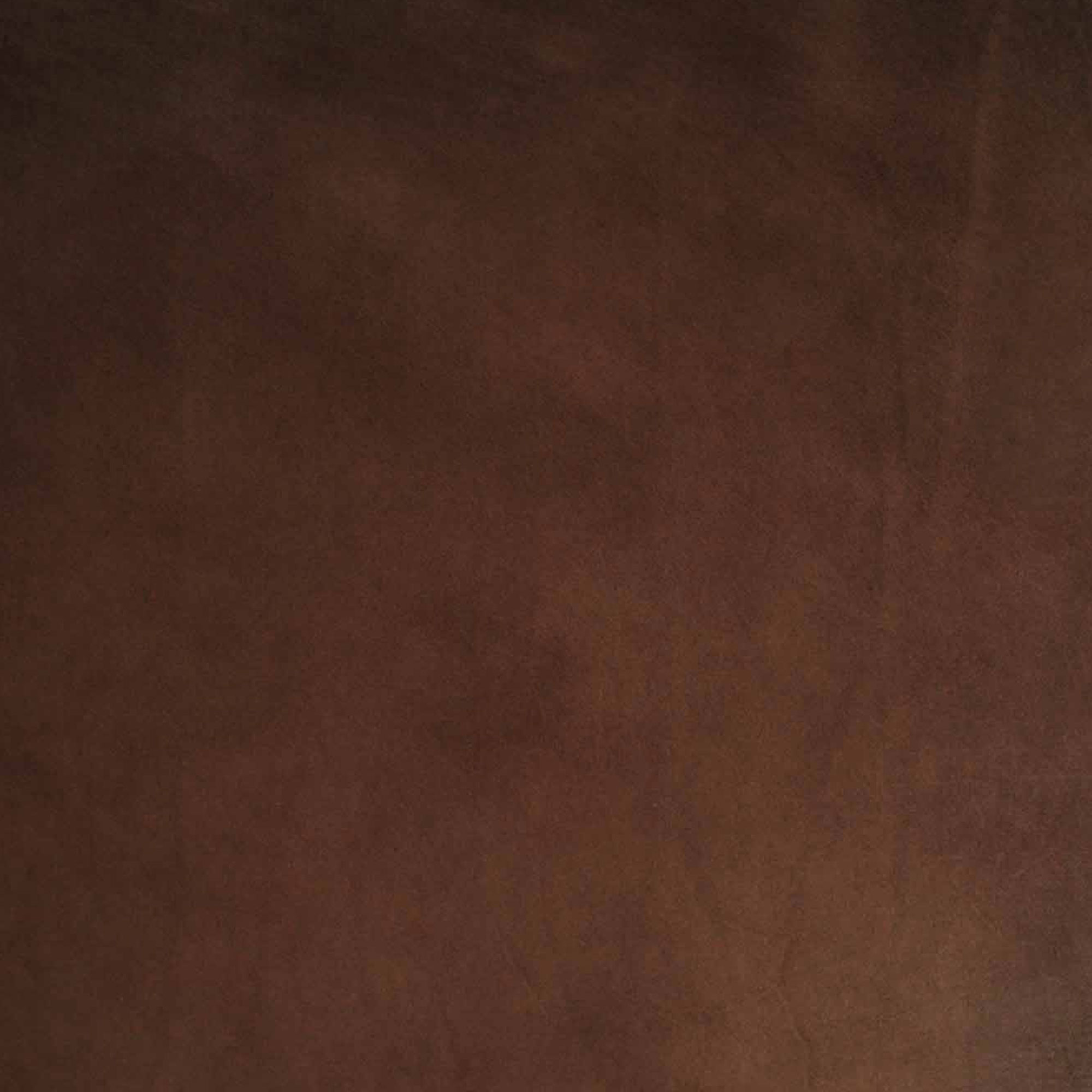
British Tobacco (Leather)
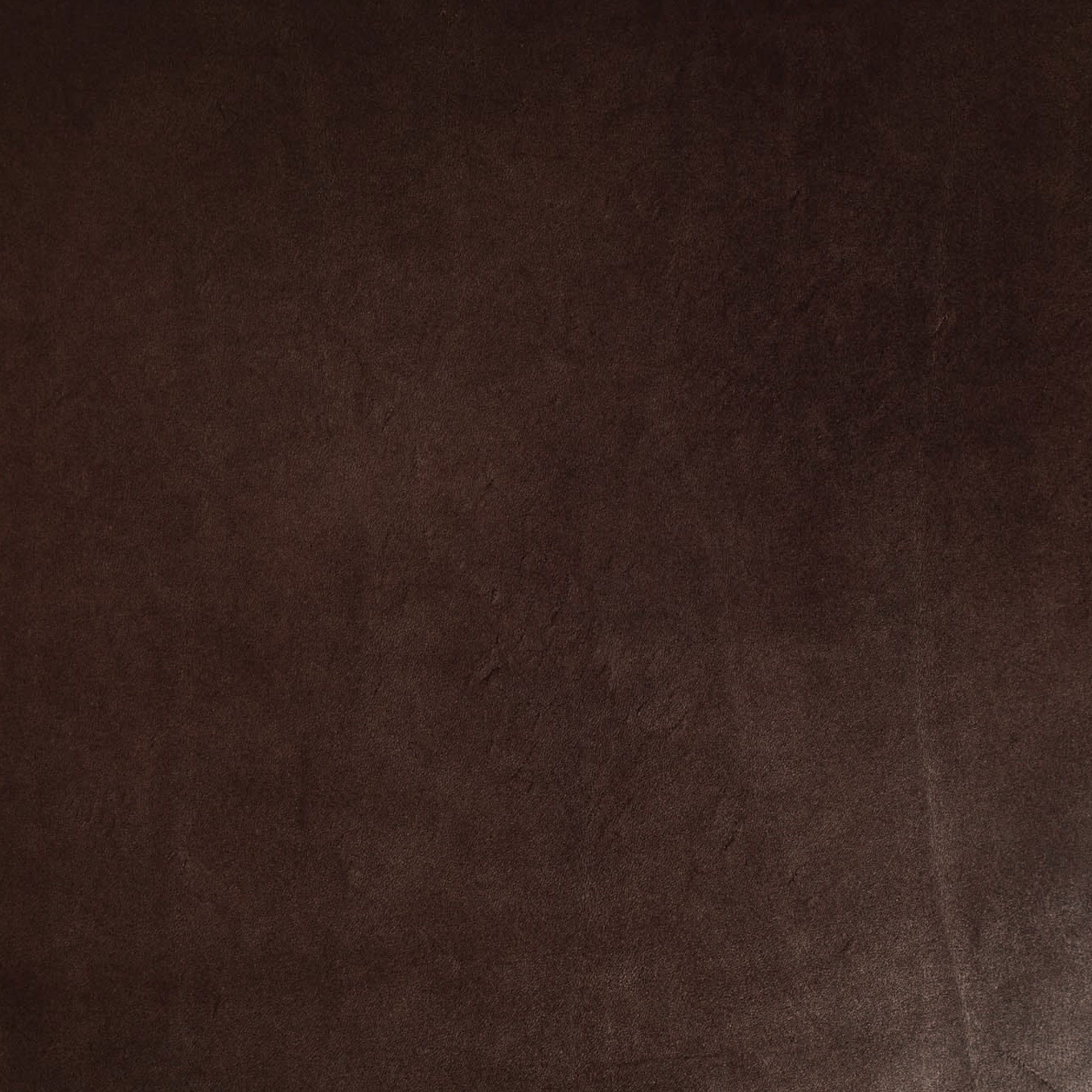
Antique Brown (Leather)
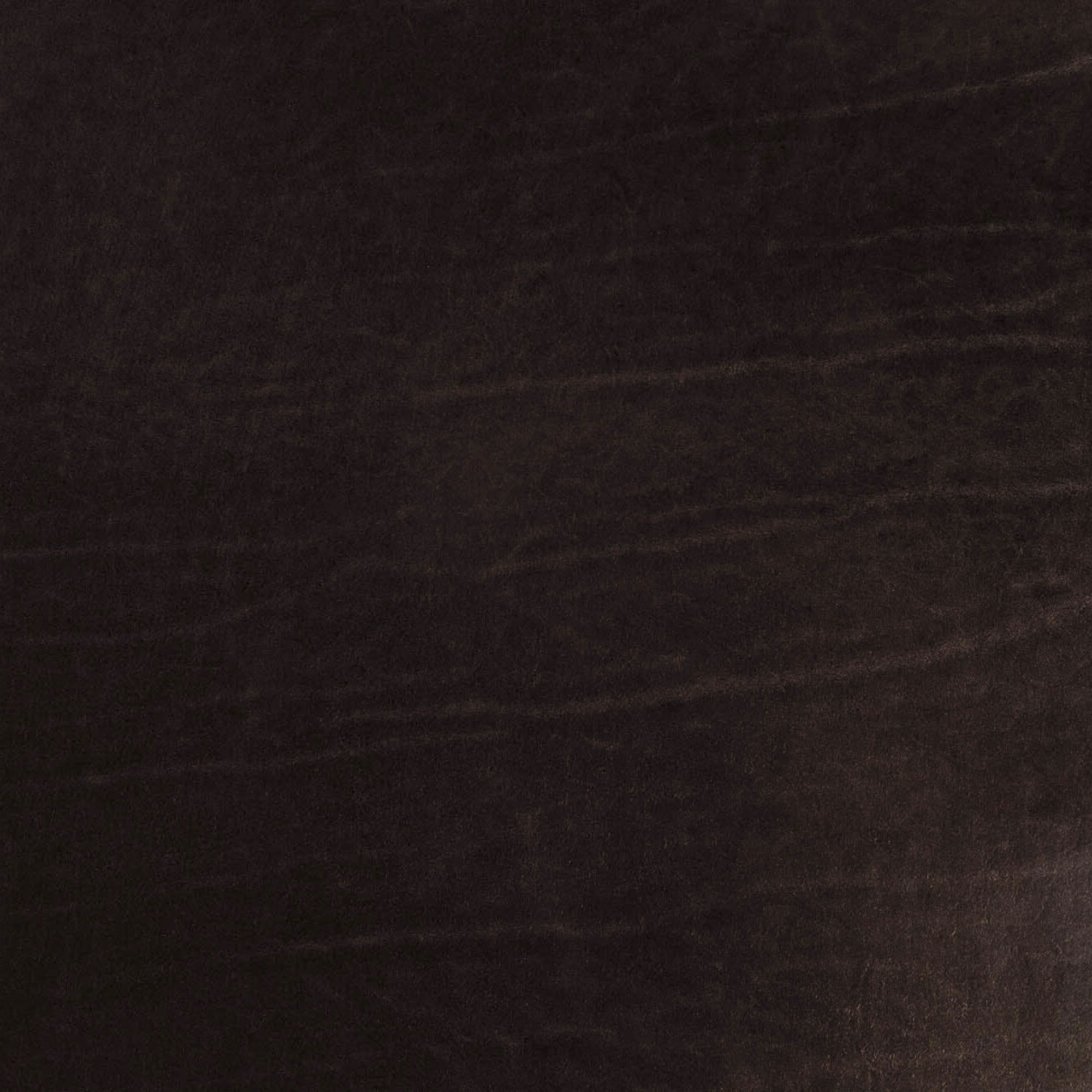
Bournville Brown (Leather)

Balmoral Green (Leather)
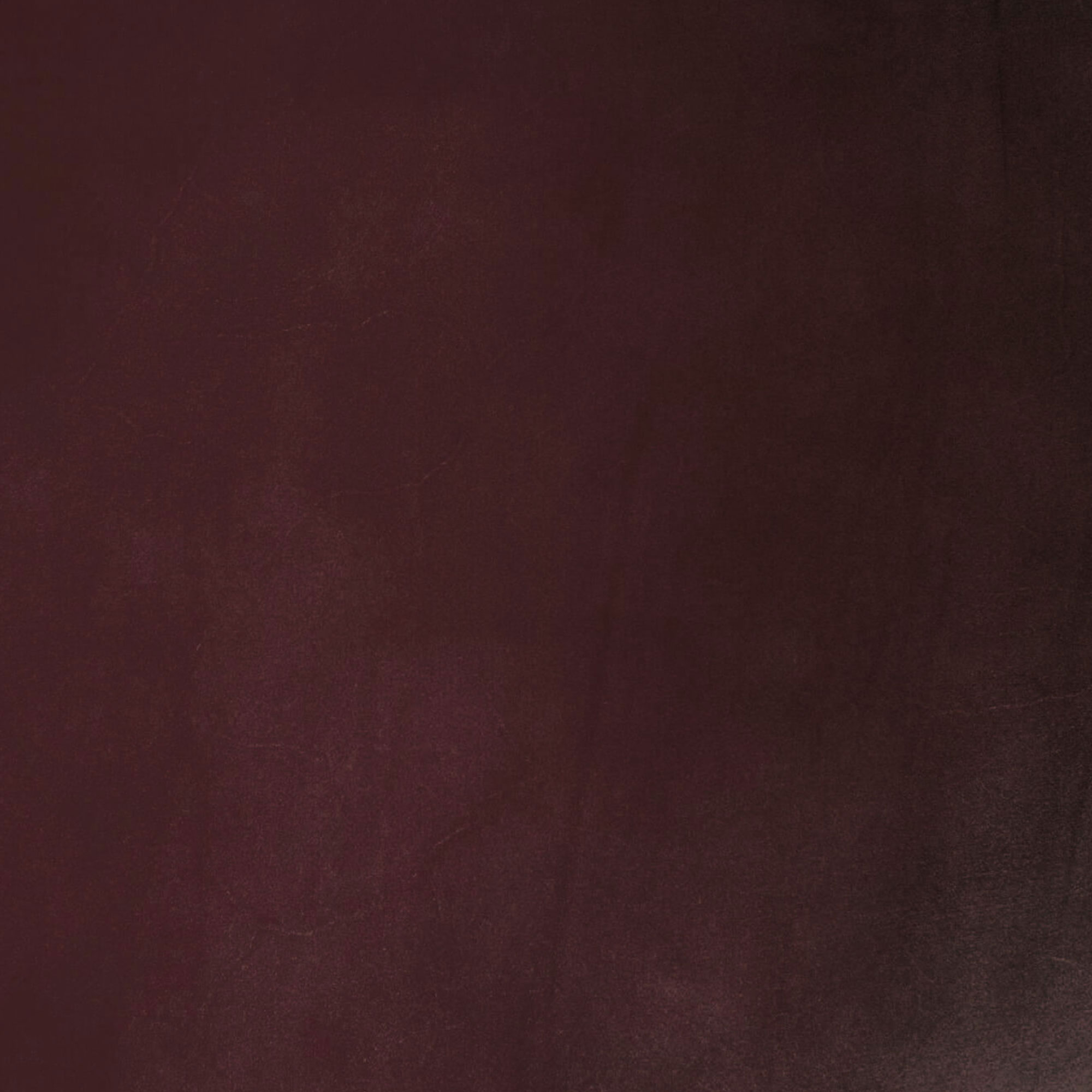
Burgundy (Leather)

Windsor Blue (Leather)
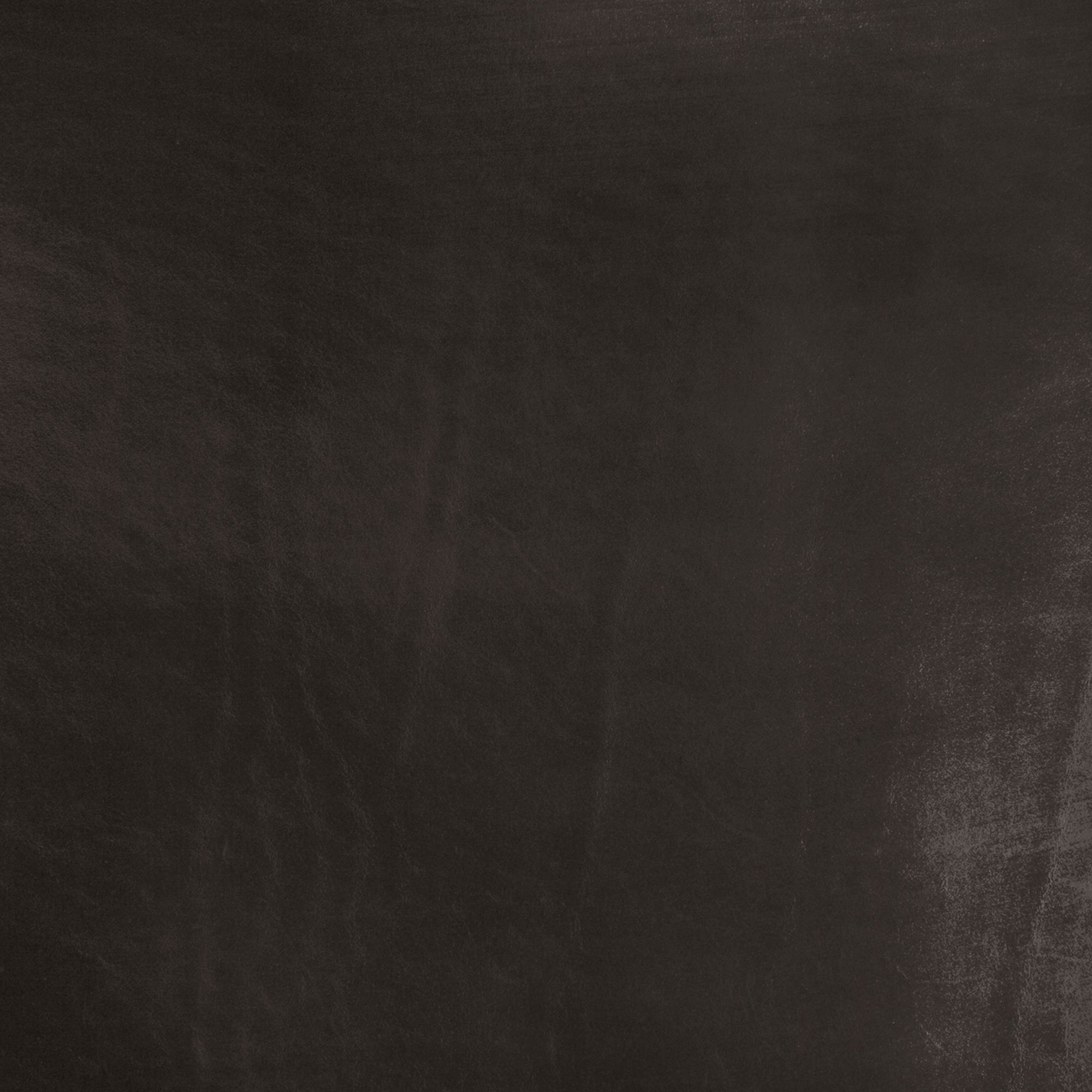
Gun Metal (Leather)

Masons Black (Leather)
This project was one of London’s most exclusive properties. I chose Element7 for both the hardwood and leather flooring package throughout. I definitely made the right choice – the service from Element7 could not be faulted and the floors look as fabulous as I intended.
Rients Bruinsma
Founder, Rients Architecture & Interior Design
(Multi-Award Winning)
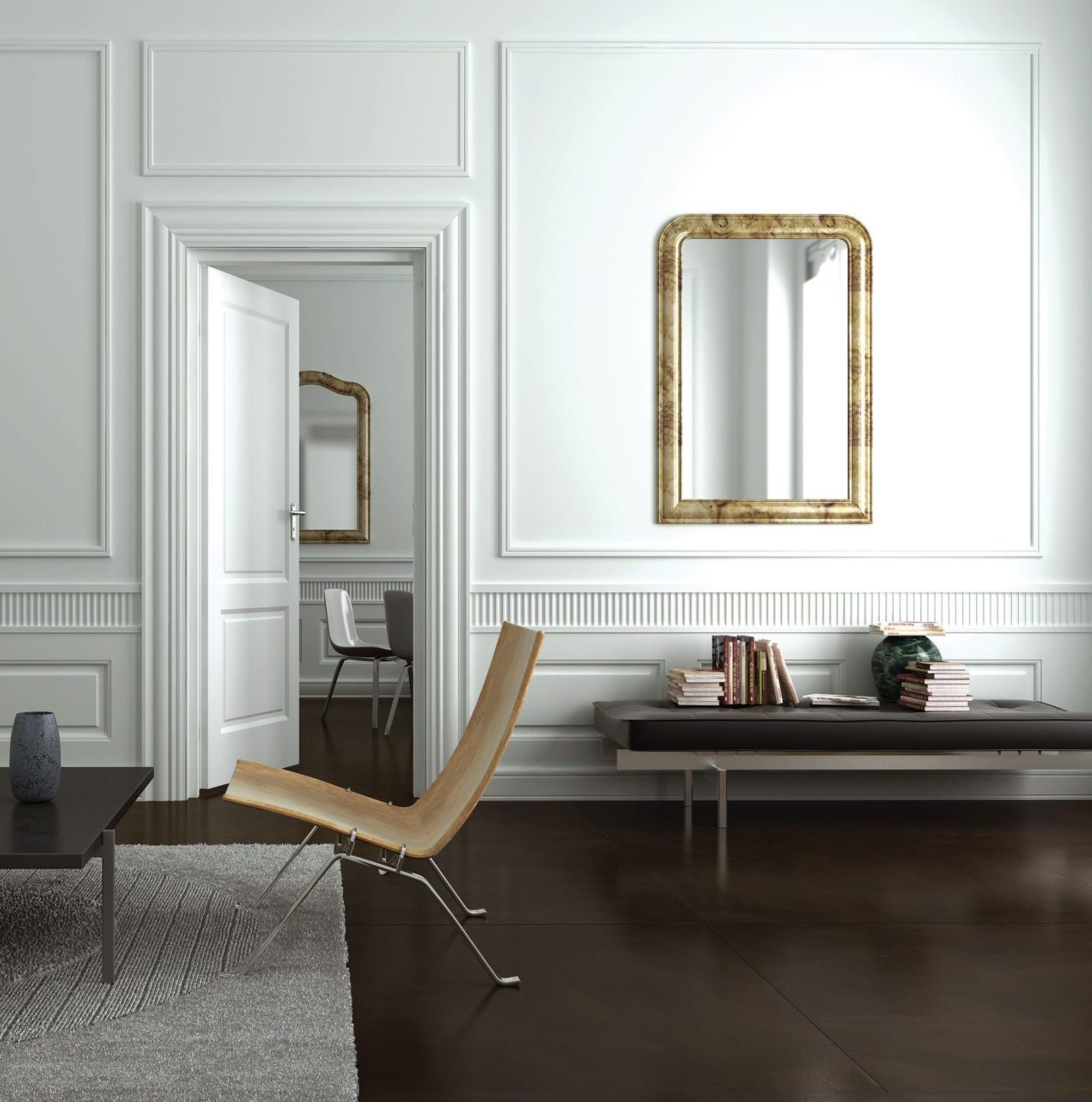
Have a project in mind?
We are always delighted to welcome you at our showroom located in Chelsea Creek where you can view our wide range of colours and designs and where our experts are on hand to discuss your project with you.
NEW YORK
Visit us at our NYC showroom:
The Design Centre,
200 Lexington Avenue,
New York, NY 10016
LOS ANGELES
Featured in Thomas Lavin Showrooms: 
Pacific Design Center
8687 Melrose Avenue, Suite B310
West Hollywood, CA 90069
Laguna Design Center
23811 Aliso Creek Road, Suite 139
Laguna Niguel, CA 92677
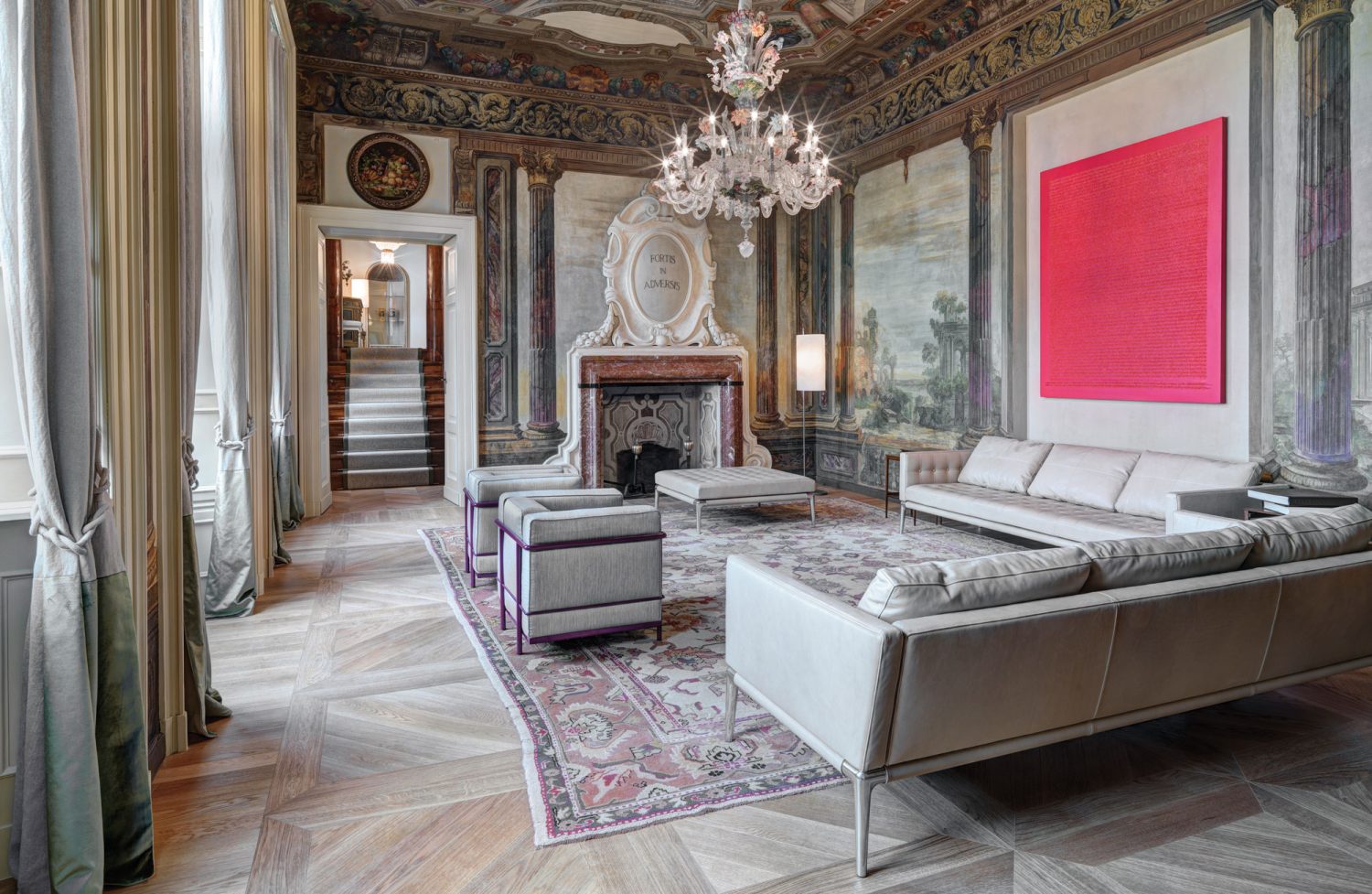
Bespoke Wood Floors
One-of-a-kind designs featuring unique features such as marquetry, opulent borders or centrepieces.